



Primelectric CEO Roel Castro Shares Strategies for Building Resilient Power Systems at National Summit
Building a reliable power system means more than just keeping electrical facilities in good shape. It also needs long-term investments, up-to-date technology, careful planning, and skilled people who can act fast during emergencies.
This was the main point made by Primelectric Holdings, Inc. President and CEO Roel Castro in his opening keynote at i4C.PH 2026: Resilience Reimagined, held at the SMX Convention Center Clark on November 3, 2026.
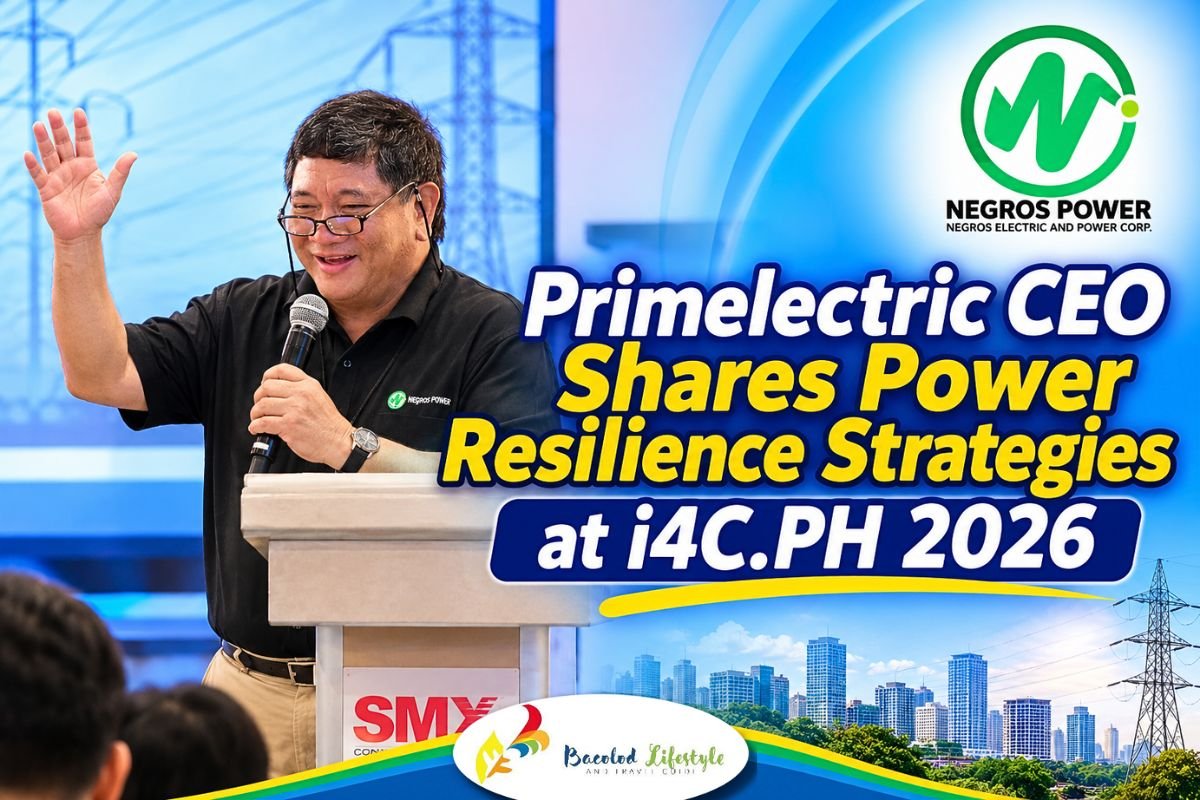
The three-day national summit brought together leaders from government, defense, cybersecurity, and critical infrastructure to talk about new threats and find ways to make the Philippines more resilient.
Roel Castro Highlights the Importance of Power System Resilience
In his keynote, Castro explained how Primelectric builds resilience into its daily work to keep electricity reliable, especially during emergencies, natural disasters, and unexpected problems.
Primelectric, which operates MORE Power, Negros Power, and Bohol Light, knows how important reliable electricity is for keeping communities, businesses, and essential services running.
Castro said that making power systems more reliable means being proactive. This involves better managing the power supply, constantly improving infrastructure, and upgrading electricity distribution networks.
The company also continues to invest in flexible grid systems, safety measures, and new technologies to improve service stability and reduce interruptions.
These upgrades matter even more now, as power companies face more extreme weather and other risks to critical infrastructure.
Investing in Infrastructure and Workforce Preparedness
Along with upgrading infrastructure, Castro also stressed the importance of preparing employees so they can respond effectively during emergencies.
Primelectric regularly holds training, refresher courses, and emergency drills to make sure its staff is ready for unexpected situations.
These activities help employees build the skills and confidence they need to act quickly, handle challenges, and restore service when problems arise.
For Primelectric, resilience is more than restoring power after a disaster. It means looking ahead to potential risks, preparing for different situations, and continually improving both systems and the people who deliver reliable power.
By investing in technology, infrastructure, and its people, the company wants to make sure it can keep providing reliable electricity, even when things get tough.
i4C.PH 2026 Promotes a Stronger and More Resilient Philippines
The i4C.PH 2026: Resilience Reimagined summit aimed to bring different groups together to tackle risks that could impact national security, businesses, communities, and essential services.
Risk management expert Augustus Caesar “Ace” Esmeralda, along with Ace and Associates Risk Management, Inc. and Resilient. PH, organized the three-day event to promote a joined-up approach to physical security, disaster readiness, business continuity, and cybersecurity.PH, organized the three-day event to promote a joined-up approach to physical security, disaster readiness, business continuity, and cybersecurity.
The summit showed how important it is for government agencies, private companies, and those running key infrastructure to work together to prepare for new threats.
Castro’s involvement highlighted how crucial reliable electricity systems are to the country’s overall resilience plans.
Why Reliable Power Systems Matter to Filipino Communities
Electricity is essential in daily life. Hospitals, schools, businesses, communication networks, and homes all rely on steady power to keep things running.
When the power goes out, it’s more than just a short-term hassle. It can stop important services, hurt businesses, and affect the livelihoods of many Filipinos.
That’s why it’s more important than ever to invest in stronger distribution networks, new technology, and emergency preparedness.
With its ongoing projects, Primelectric wants to create power systems that are more reliable and resilient, so they can better handle unexpected challenges.
As Castro said at the summit, real resilience begins with preparation. By anticipating risks, improving infrastructure, and equipping employees with the right skills, power companies can help keep communities connected and essential services running, even in tough times.