



Primelectric Explores New Power Technologies at U.S. Trade Conference
The global energy industry is changing fast, and Primelectric Holdings is working to keep the Philippines informed. At a recent trade conference in the United States, Primelectric witnessed firsthand how new technology is transforming electricity distribution worldwide.
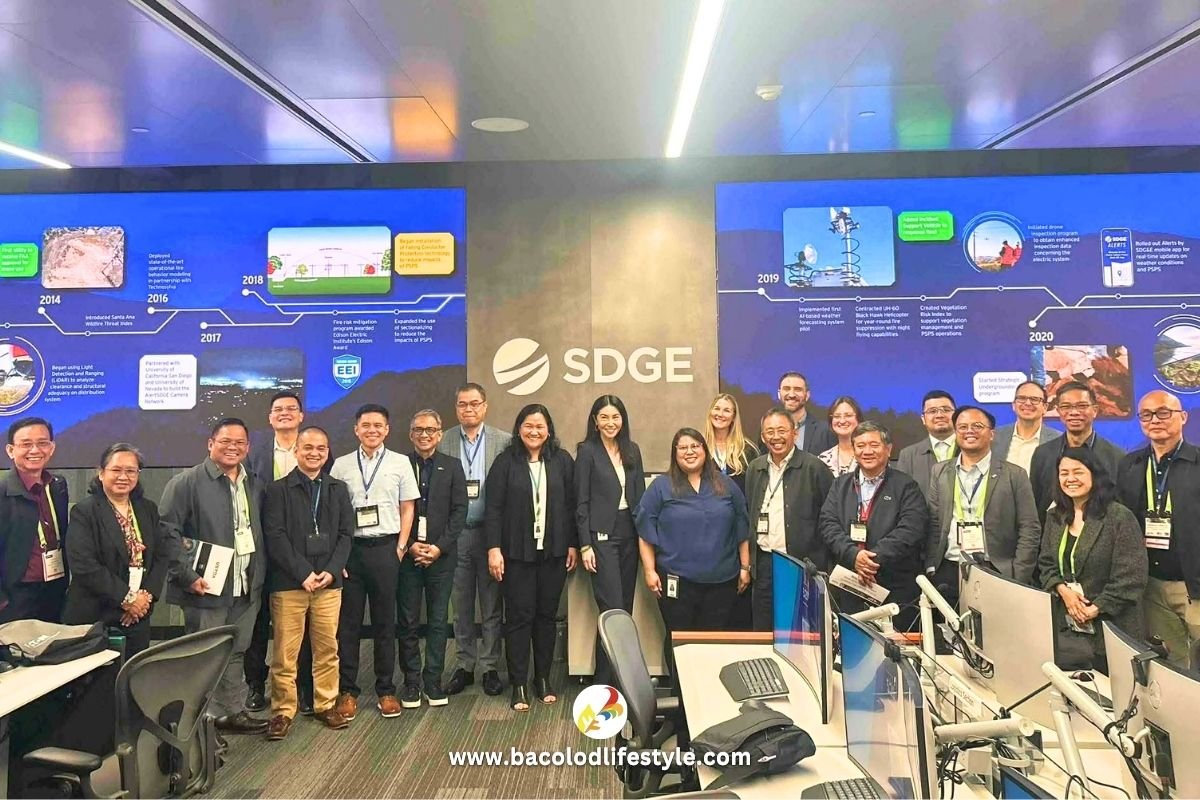
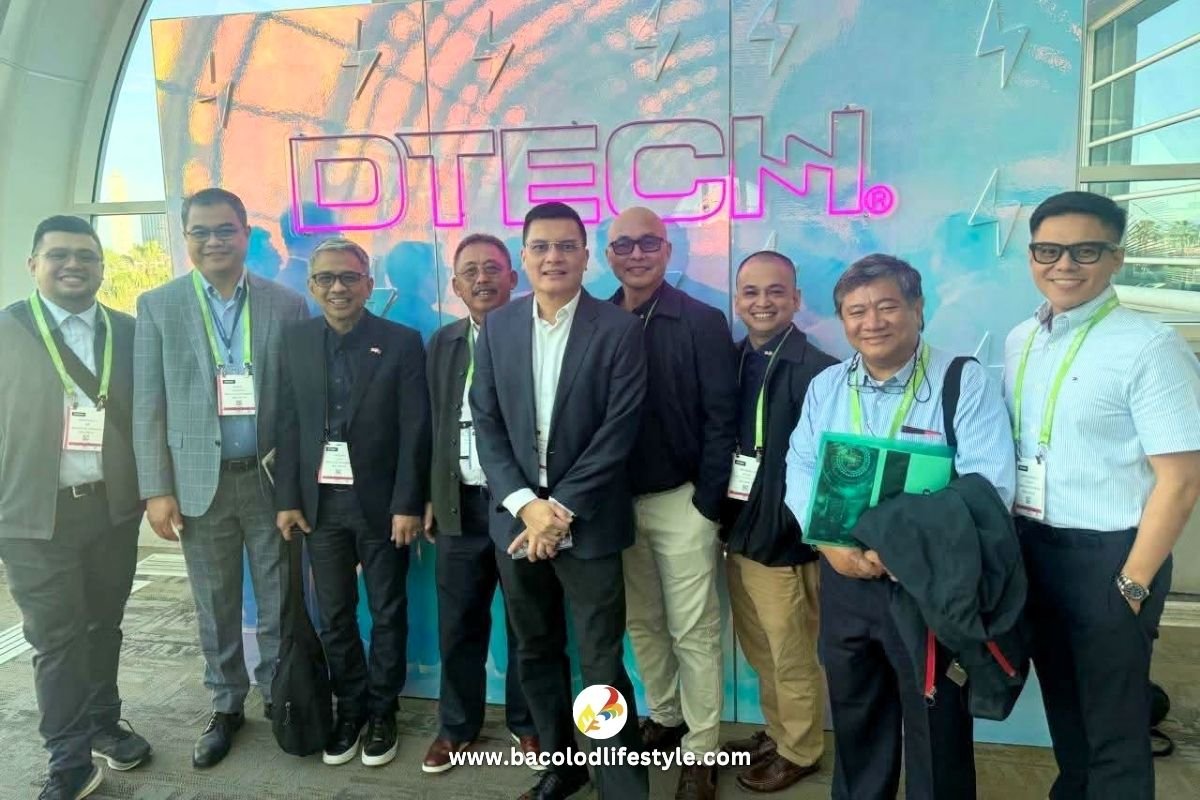
Primelectric President and CEO Roel Z. Castro led the Philippine group at the Distribution Technology Conference and Exhibit in San Diego, California. The event brought together electric utilities, regulators, and technology providers to discuss how innovation is changing power systems, especially at the distribution level, where electricity reaches homes and businesses.
For Primelectric, this trip was more than just a visit. It was an opportunity to see the future of energy up close.
Why the DTECH Conference Matters
The Distribution Technology Conference and Exhibit, known as DTECH, is a leading event for power distribution professionals. Hosted by the U.S. Trade and Development Agency, it gives countries a chance to share knowledge and work together.
Primelectric joined representatives from the Philippine Department of Energy, the Energy Regulatory Commission, and private utilities. Together, they looked at how new technologies, updated rules, and policies are shaping modern power systems.
Castro said seeing global best practices in person is extremely valuable. It helps Philippine energy leaders compare local systems to international standards and prepare for industry changes.
The Power Grid Is Changing Fast
For many, electricity still seems straightforward: power comes from the utility to homes and businesses. But this model is changing quickly.
Today, customers are becoming more than just electricity users. They are becoming prosumers—people or businesses who both use and produce power. For example, homeowners with solar panels or companies with battery storage systems.
Experts call these new solutions Distributed Energy Resources. This includes solar panels, battery storage, and electric vehicles that can either draw energy from or send energy back to the grid.
This change brings new opportunities, but also technical challenges. Two-way power flows require smarter equipment, better monitoring, and stronger safety measures. Utilities can no longer rely on old infrastructure.
Keeping Reliability and Safety a Top Priority
One of the main messages from the conference was clear: reliability and safety must always come first.
As power systems become more complex, utilities need to use advanced digital tools for real-time monitoring. Detecting problems early can prevent outages and keep both customers and workers safe.
At the conference, people discussed modern protection systems and new maintenance practices for changing power grids. They also focused on ways to stop solar systems from sending power into lines during outages, which can be dangerous.
For Primelectric, these lessons are essential. Any modernization must make sure Filipino households and businesses keep getting reliable electricity.
The Role of Policy and Regulation
Technology alone can’t transform the energy sector. Policies and regulations also need to keep up with new developments.
At the conference, participants examined how U.S. regulators balance new technology with protecting consumers and maintaining grid stability. This is even more important as more people use solar panels and electric vehicles.
With representatives from the Philippine Department of Energy and the Energy Regulatory Commission present, these policy discussions were practical. The ideas shared could help shape future rules in the Philippines.
The main takeaway is that technology and policy need to work together. Policies should match technical needs. Without this balance, modernization may slow down.
New Opportunities for Consumers
The rise of prosumers is not just a technical shift. It is also an economic opportunity.
Homeowners with solar panels may be able to sell extra electricity back to the grid. Businesses can join programs that reward them for changing their energy use during busy times. These changes encourage people to take an active role rather than just use electricity.
For utilities like Primelectric, this means rethinking old business models. It’s no longer just about selling electricity. Now, it’s about building systems that let customers get involved, contribute, and benefit from new energy ideas.
This change can help utilities and customers build stronger relationships and create a more collaborative energy system.
Collaboration Drives Progress
A key theme at the conference was collaboration. No single organization can modernize power distribution on its own.
Utilities, regulators, technology providers, and governments all need to work together. Pilot projects, data sharing, and open communication are essential for safely and effectively deploying new technologies.
Primelectric’s involvement in this international conference shows its commitment to ongoing learning. By studying global best practices, the company can make better decisions in the Philippines.
Preparing the Philippines for the Future of Energy
The energy landscape is changing quickly, and the Philippines needs to keep up. As more Filipinos use solar power, battery storage, and electric vehicles, the country’s distribution systems must also evolve.
Primelectric’s engagement at DTECH signals a forward-looking approach. The goal is clear. Build a distribution system that is safe, reliable, and ready for future demands.
By learning early and adapting carefully, Primelectric aims to ensure customers benefit from new technologies without sacrificing service quality.
In a world of constant innovation, proactive leadership is key. For Primelectric, the journey toward a smarter and stronger power grid is already underway.